IT INTERNATIONAL ACADEMY

MODULE 9.0

REAL-WORLD SYSTEM DESIGN MASTER LEVEL

🌍 WHAT IS MODULE 9.0?
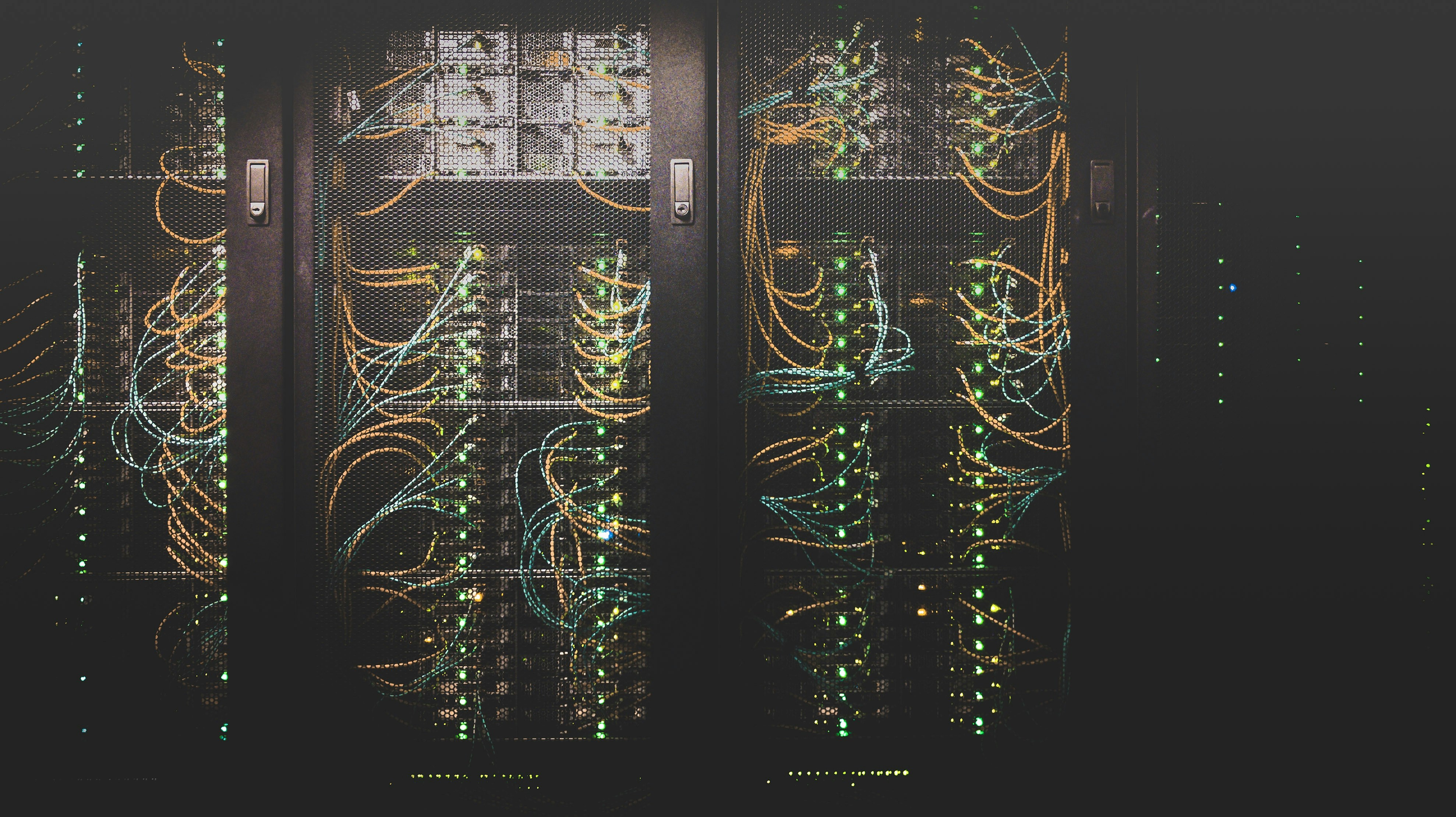
Module 9 introduces real-world system design used by global platforms like Netflix, Uber, WhatsApp, and Google. This is where software engineering becomes system engineering at scale.

MODULE 9 = REAL WORLD LARGE SCALE SYSTEM DESIGN

🧠 SHIFT IN THINKING

At this level, we stop thinking about β€œfeatures” and start thinking about β€œsystems that serve millions of users reliably.”

OLD THINKING: Build an app NEW THINKING: Design a system that never breaks under global usage

βš™οΈ CORE MODULE 9 AREAS

Module 9 focuses on real production system architecture used in big tech.

βœ” System Design Case Studies βœ” Scalability Engineering βœ” Real-time Systems βœ” Distributed Communication βœ” Global Infrastructure Design

πŸš€ SYSTEM DESIGN GOAL

The goal is not just to build software, but to design systems that survive: traffic spikes, failures, and global scale usage.

GOAL: BUILD SYSTEMS THAT SCALE TO MILLIONS OF USERS WITHOUT BREAKING

🌐 EXAMPLE THINKING MODEL

Instead of asking β€œhow do I build login?”, we ask:

βœ” How does Google handle billions of logins? βœ” How does WhatsApp deliver messages instantly? βœ” How does Netflix stream globally without delay?

πŸ“Œ MODULE 9 STRUCTURE

Module 9 will be broken into real-world system breakdowns.

9.1 β†’ Large scale architecture basics 9.2 β†’ Real-time messaging systems 9.3 β†’ Video streaming systems 9.4 β†’ Ride sharing systems 9.5 β†’ Search engine systems

🧠 FINAL IDEA OF MODULE 9

This module transforms students from developers into system architects capable of designing global platforms.

DEVELOPER β†’ BUILDS FEATURES ARCHITECT β†’ BUILDS WORLD-SCALE SYSTEMS

πŸ’¬ 9.1 β€” REAL-TIME MESSAGING SYSTEMS

Real-time messaging systems are designed to deliver messages instantly between users anywhere in the world with minimal delay. These systems must handle millions of concurrent connections while ensuring reliability and speed.

REAL-TIME SYSTEM = LOW LATENCY + HIGH CONCURRENCY + RELIABLE DELIVERY

⚠️ CORE PROBLEM IN MESSAGING SYSTEMS

The biggest challenge is not sending messages β€” it is delivering them instantly, in correct order, across unreliable networks.

CHALLENGES: βœ” Network delays βœ” Offline users βœ” Message ordering βœ” Delivery guarantees

πŸ“¨ MESSAGE DELIVERY FLOW

A message goes through multiple layers before reaching the receiver.

SENDER β†’ API SERVER β†’ MESSAGE QUEUE β†’ DELIVERY SERVICE β†’ RECEIVER

πŸ”Œ WEBSOCKETS (REAL-TIME CONNECTION)

WebSockets maintain a persistent connection between client and server so messages can be delivered instantly without repeated requests.

NORMAL HTTP: Request β†’ Response β†’ Disconnect WEBSOCKET: Persistent connection always open

πŸ“΄ OFFLINE MESSAGE HANDLING

If a user is offline, messages are stored temporarily until the user comes back online.

PROCESS: βœ” Store message in database βœ” Mark as undelivered βœ” Deliver when user reconnects

πŸ“¦ MESSAGE QUEUES

Message queues ensure that messages are processed in order and delivered reliably even under heavy system load.

QUEUE ROLE: βœ” Buffer messages βœ” Maintain order βœ” Handle spikes in traffic

βœ”οΈ MESSAGE DELIVERY GUARANTEE

Messaging systems must guarantee that messages are not lost and are delivered at least once, even if retries are needed.

DELIVERY TYPES: βœ” At-least-once delivery βœ” Duplicate handling required βœ” Retry on failure

πŸ“Š MESSAGE ORDERING SYSTEM

Messages must appear in the same order for sender and receiver to maintain conversation consistency.

SOLUTION: βœ” Sequence numbers βœ” Timestamp ordering βœ” Partitioned message streams

πŸ“² PUSH NOTIFICATIONS

Push notifications notify users of new messages even when the app is closed or inactive.

TOOLS: βœ” Firebase Cloud Messaging βœ” Apple Push Notification Service βœ” Background sync services

πŸš€ SCALING REAL-TIME SYSTEMS

To handle millions of users, messaging systems must distribute load across multiple servers and regions.

SCALING METHODS: βœ” Horizontal scaling βœ” Load balancing βœ” Sharded databases

πŸ—„οΈ MESSAGE STORAGE SYSTEM

Messages are stored in databases optimized for fast writes and sequential reads.

STORAGE TYPES: βœ” NoSQL databases (fast writes) βœ” Distributed storage systems βœ” Replicated databases

πŸ” MESSAGE SECURITY

Messages must be protected using encryption to prevent unauthorized access.

SECURITY FEATURES: βœ” End-to-end encryption βœ” Secure key exchange βœ” Message integrity checks

🌍 REAL SYSTEM EXAMPLE

WhatsApp-like systems combine all these components into a single architecture that supports billions of messages daily.

SYSTEM FLOW: User β†’ WebSocket β†’ Server Cluster β†’ Queue β†’ Storage β†’ Receiver

πŸ“Œ 9.1 SUMMARY

Real-time messaging systems are built using persistent connections, queues, and distributed architecture to ensure instant and reliable communication at global scale.

βœ” WebSockets enable real-time connection βœ” Queues ensure reliability βœ” Databases store messages safely βœ” Systems must handle offline users βœ” Security protects message privacy

🎬 9.2 β€” VIDEO STREAMING SYSTEMS

Video streaming systems are large-scale platforms that deliver video content smoothly to millions of users at the same time with minimal buffering. They must optimize bandwidth, storage, and global delivery.

VIDEO STREAMING = HIGH BANDWIDTH DELIVERY + GLOBAL DISTRIBUTION + LOW BUFFERING

⚠️ CORE CHALLENGE IN VIDEO STREAMING

The biggest challenge is delivering large video files quickly without delay, buffering, or quality loss across different internet speeds.

CHALLENGES: βœ” Huge file sizes βœ” Variable internet speed βœ” Global audience βœ” Device compatibility

πŸ“€ VIDEO UPLOAD PROCESS

When a creator uploads a video, it goes through processing before it becomes available to users.

UPLOAD FLOW: Creator β†’ Upload Server β†’ Processing Pipeline β†’ Storage β†’ CDN Distribution

🎞️ VIDEO TRANSCODING (FORMAT CONVERSION)

Videos are converted into multiple formats and resolutions so they can play on different devices and network speeds.

EXAMPLES: βœ” 4K version βœ” 1080p version βœ” 720p version βœ” Mobile optimized version

🌐 CONTENT DELIVERY NETWORK (CDN)

CDNs store copies of videos in multiple global locations so users can stream from the nearest server.

USER β†’ NEAREST EDGE SERVER β†’ FAST VIDEO DELIVERY

⏳ BUFFERING SYSTEM

Buffering happens when the system preloads part of the video before playback to avoid interruptions.

BUFFER = PRELOADED VIDEO DATA READY FOR PLAYBACK

πŸ“Š ADAPTIVE BITRATE STREAMING

The video quality automatically adjusts based on internet speed to prevent buffering.

FAST INTERNET β†’ HIGH QUALITY VIDEO SLOW INTERNET β†’ LOW QUALITY VIDEO

πŸ—„οΈ VIDEO STORAGE ARCHITECTURE

Videos are stored in distributed storage systems designed for massive scalability and redundancy.

STORAGE FEATURES: βœ” Distributed storage βœ” Replication across regions βœ” Fault tolerance

πŸš€ VIDEO STREAMING PIPELINE

A complete streaming system includes multiple processing layers before a video reaches the user.

UPLOAD β†’ ENCODE β†’ STORE β†’ CDN β†’ STREAM β†’ PLAYER

🧠 CONTENT RECOMMENDATION SYSTEM

Streaming platforms use algorithms to suggest videos based on user behavior and preferences.

FACTORS: βœ” Watch history βœ” Search behavior βœ” Engagement time βœ” Similar user patterns

πŸš€ SCALING VIDEO SYSTEMS

Streaming systems must handle millions of concurrent viewers watching different content simultaneously.

SCALING METHODS: βœ” Load balancing βœ” CDN distribution βœ” Microservices architecture

⚠️ STREAMING FAILURE HANDLING

When playback fails, systems automatically recover using fallback servers or lower quality streams.

RECOVERY: βœ” Switch CDN node βœ” Reduce video quality βœ” Retry stream request

πŸ” VIDEO SECURITY

Streaming platforms protect content from piracy and unauthorized access.

SECURITY METHODS: βœ” DRM (Digital Rights Management) βœ” Token-based access βœ” Encrypted streams

🌍 REAL SYSTEM EXAMPLE

Netflix and YouTube use distributed CDNs, adaptive streaming, and recommendation engines to serve billions of users daily.

USER β†’ CDN β†’ STREAM SERVER β†’ VIDEO PLAYER

πŸ“Œ 9.2 SUMMARY

Video streaming systems rely on distributed storage, CDNs, encoding pipelines, and adaptive streaming to deliver smooth playback globally.

βœ” Videos are encoded into multiple formats βœ” CDNs deliver content globally βœ” Adaptive streaming prevents buffering βœ” Recommendation engines personalize content βœ” Systems must scale massively

πŸš— 9.3 β€” RIDE-SHARING SYSTEMS (DEEP SYSTEM VIEW)

Ride-sharing systems are real-time distributed platforms where location, time, and decision-making all change every second. The system must behave correctly even when millions of users are moving simultaneously.

CORE IDEA: REAL-TIME GEOGRAPHIC MATCHING UNDER CONSTANT CHANGE

⚠️ WHY RIDE SYSTEMS ARE COMPLEX

Unlike normal applications, ride-sharing systems operate in a continuously changing physical world. Every second changes the system state.

COMPLEXITY SOURCES: βœ” Moving users (drivers + passengers) βœ” Changing traffic conditions βœ” Constant availability updates βœ” Time-sensitive decisions

πŸ“ LOCATION IS NOT DATA β€” IT IS A STREAM

In advanced systems, location is not stored once β€” it is continuously streamed from devices.

TRADITIONAL: Static database value REAL SYSTEM: Continuous GPS data stream

🧠 MATCHING ENGINE (REAL DECISION SYSTEM)

The matching engine is not just distance-based β€” it is a multi-variable optimization system. It predicts the best driver using real-time conditions.

MATCH SCORE = f(distance, traffic, driver behavior, demand density)

⏱️ ULTRA-LOW LATENCY REQUIREMENT

Matching must happen in seconds or users will cancel the request. This forces the system to prioritize speed over perfect optimization.

IDEAL MATCH TIME: βœ” < 2–5 seconds globally

πŸ—ΊοΈ GEO-SPATIAL INDEXING (REAL ENGINEERING DETAIL)

Instead of searching all drivers, the system divides geography into indexed cells for fast lookup.

TECHNIQUE: βœ” Space divided into grid cells βœ” Drivers stored in nearest cell βœ” Search expands outward if needed

🚦 SUPPLY DISTRIBUTION SYSTEM

The system constantly balances driver availability across different areas to reduce waiting time.

GOAL: βœ” Prevent driver clustering βœ” Reduce empty zones βœ” Optimize city coverage

πŸ“ˆ SURGE PRICING (ECONOMIC CONTROL SYSTEM)

Surge pricing is not random β€” it is an automated market balancing system. It adjusts prices based on demand pressure in real time.

SURGE FORMULA IDEA: high demand + low supply β†’ price increase low demand + high supply β†’ price decrease

🎯 DRIVER ASSIGNMENT LOGIC

Drivers are not assigned randomly β€” the system uses optimization rules to reduce waiting time and improve efficiency.

FACTORS: βœ” Closest driver βœ” Driver rating history βœ” Expected acceptance probability βœ” Traffic route efficiency

⚠️ REAL-TIME FAILURE RECOVERY

Failures are expected β€” drivers cancel, GPS fails, network drops. The system must recover instantly without user impact.

RECOVERY STRATEGY: βœ” Re-match instantly βœ” Expand search radius βœ” Recalculate ETA

πŸ“‘ REAL-TIME EVENT NETWORK

Ride systems rely heavily on event-driven communication between drivers, passengers, and backend systems.

EVENTS: βœ” Ride requested βœ” Driver accepted βœ” Driver arriving βœ” Trip started βœ” Trip completed

πŸš€ GLOBAL SCALING STRATEGY

Ride systems must scale across cities, countries, and continents with independent regional control.

ARCHITECTURE: βœ” Regional clusters βœ” Distributed matching engines βœ” Localized pricing systems

πŸ›‘οΈ TRUST & SAFETY ENGINE

Trust systems ensure safe interactions between strangers using verification, reputation, and monitoring systems.

COMPONENTS: βœ” Identity verification βœ” Behavioral scoring βœ” Trip monitoring βœ” Emergency escalation system

🧠 ENGINEERING THINKING SHIFT

At this level, engineers do not think in apps β€” they think in systems that simulate real-world movement and decisions.

NOT: "How do I book a ride?" BUT: "How does a global transportation system optimize millions of moving objects in real time?"

πŸ“Œ 9.3 EXPANDED SUMMARY

Ride-sharing systems are real-time distributed intelligence systems that continuously process location streams, optimize matching, and balance supply-demand across global cities.

βœ” Location is a continuous stream βœ” Matching is a real-time optimization problem βœ” Geo-spatial indexing enables speed βœ” Surge pricing balances the system βœ” Safety systems ensure trust

πŸ”Ž 9.4 β€” SEARCH ENGINE SYSTEMS (ADVANCED ENGINEERING LAYER)

At expert level, a search engine is not a simple β€œfind keywords” system. It is a real-time distributed intelligence system that continuously ranks the entire internet while adapting to user intent.

SEARCH ENGINE = LARGE-SCALE INFORMATION RETRIEVAL + MACHINE LEARNING RANKING + DISTRIBUTED COMPUTATION

🧠 QUERY INTENT ENGINE (BEYOND KEYWORDS)

Modern search does not just match words β€” it understands what the user actually means.

QUERY TYPES: βœ” Informational β†’ "what is cybersecurity" βœ” Navigational β†’ "youtube login" βœ” Transactional β†’ "buy laptop online"

🧬 SEMANTIC SEARCH (MEANING-BASED RETRIEVAL)

Instead of matching exact words, semantic search understands meaning using vector embeddings.

TRADITIONAL: keyword match MODERN: meaning similarity (vector space search)

πŸ“Š VECTOR SEARCH INDEX (AI-POWERED RETRIEVAL)

Pages are converted into mathematical vectors so similarity can be calculated instead of keyword matching.

DOCUMENT β†’ EMBEDDING VECTOR β†’ SIMILARITY SEARCH

πŸ“ˆ MULTI-LAYER RANKING SYSTEM

Ranking is no longer a single algorithm β€” it is a multi-stage pipeline combining rules + ML models.

STAGES: 1. Candidate generation (fast retrieval) 2. Machine learning ranking 3. Re-ranking (personalization layer) 4. Final filtering (quality + safety)

πŸ€– MACHINE LEARNING RANKING MODEL

Search results are scored using trained models that predict what the user is most likely to click.

INPUTS: βœ” Click history βœ” Dwell time βœ” Relevance signals βœ” Page authority OUTPUT: Ranking score per document

πŸ—‚οΈ DISTRIBUTED INDEX SHARDING

The search index is split across thousands of machines so queries are processed in parallel.

SYSTEM: Query β†’ Routed to shards β†’ Parallel search β†’ Merged results

🌐 QUERY FAN-OUT ARCHITECTURE

A single search query is expanded into multiple sub-queries processed across distributed services.

QUERY β†’ split into β†’ multiple retrieval services β†’ merge results

⚑ CONTINUOUS INDEXING PIPELINE

Search engines update their index in near real-time using streaming ingestion pipelines.

STREAM: Web change β†’ crawler β†’ processing β†’ index update (seconds/minutes)

πŸ•’ CONTENT FRESHNESS SYSTEM

Search engines boost newer content when relevance depends on time-sensitive information.

FACTORS: βœ” Publish time βœ” Update frequency βœ” Trending velocity

🧠 KNOWLEDGE GRAPH SYSTEM

Search engines build structured relationships between entities like people, places, and concepts.

EXAMPLE: "Elon Musk" β†’ Tesla β†’ SpaceX β†’ Starlink

🚫 ADVANCED SPAM DETECTION (AI FILTER LAYER)

Modern search uses AI models to detect manipulation, keyword stuffing, and low-quality content.

DETECTION: βœ” Spam patterns βœ” Link farms βœ” AI-generated low-quality pages βœ” Duplicate content

🌍 GLOBAL SEARCH INFRASTRUCTURE

Search engines operate across multiple continents with replicated data centers for speed and resilience.

STRUCTURE: User β†’ nearest data center β†’ regional index β†’ global merge system

πŸ›‘οΈ SEARCH ENGINE RESILIENCE

Search systems are designed to continue working even if entire regions fail.

FAILURE HANDLING: βœ” Redundant indexes βœ” Failover routing βœ” Cached fallback results

🧩 FULL SEARCH ENGINE PIPELINE

User Query ↓ Intent Detection ↓ Semantic Vector Search + Keyword Search ↓ Distributed Index Shards ↓ ML Ranking System ↓ Re-ranking + Personalization ↓ Final Results

πŸ“Œ 9.4 ADVANCED SUMMARY

Search engines are no longer keyword systems β€” they are AI-driven distributed intelligence platforms that understand meaning, rank billions of documents, and respond in milliseconds.

βœ” Semantic search replaces keyword matching βœ” ML ranking improves relevance βœ” Distributed systems enable scale βœ” Knowledge graphs add intelligence βœ” Real-time indexing keeps data fresh

πŸ’³ 9.5 β€” PAYMENT SYSTEMS

Payment systems are highly secure, real-time financial platforms that process money transfers between users, banks, and merchants globally. They must guarantee correctness, security, and consistency under all conditions.

PAYMENT SYSTEM = SECURE TRANSACTION PROCESSING + BANK INTEGRATION + FRAUD CONTROL + REAL-TIME SETTLEMENT

⚠️ CORE PROBLEM IN PAYMENT SYSTEMS

The biggest challenge is ensuring that money is never lost, duplicated, or incorrectly transferred β€” even if systems fail mid-transaction.

CHALLENGES: βœ” Network failures during payment βœ” Duplicate transactions βœ” Fraud attempts βœ” Bank processing delays

πŸ’° PAYMENT TRANSACTION FLOW

Every payment goes through multiple verification and processing layers before completion.

USER β†’ PAYMENT GATEWAY β†’ FRAUD CHECK β†’ BANK NETWORK β†’ SETTLEMENT β†’ CONFIRMATION

πŸ›‘οΈ TRANSACTION SAFETY PRINCIPLES

Payment systems must guarantee correctness even in case of system crashes or network interruptions.

PRINCIPLES: βœ” Atomicity (all or nothing) βœ” Consistency (valid state always) βœ” Isolation (no interference) βœ” Durability (once done, it stays)

⚠️ DOUBLE SPENDING PROBLEM

Double spending happens when the same money is accidentally or maliciously spent more than once. Payment systems must prevent this at all costs.

SOLUTION: βœ” Central ledger system βœ” Transaction locking βœ” Unique transaction IDs

πŸ“’ GLOBAL LEDGER SYSTEM

A ledger is the single source of truth that records every financial transaction permanently.

LEDGER: βœ” Immutable record of transactions βœ” Distributed replication βœ” Audit trail for verification

🚨 FRAUD DETECTION ENGINE

Payment systems use machine learning and rules engines to detect suspicious activity in real time.

DETECTION SIGNALS: βœ” Unusual spending patterns βœ” Location mismatch βœ” Rapid transactions βœ” Device fingerprint changes

🌐 PAYMENT GATEWAY

A payment gateway acts as the secure bridge between merchants, users, and banking systems.

ROLE: βœ” Encrypt transaction data βœ” Route to banks βœ” Handle approvals and declines

πŸ” TOKENIZATION SYSTEM

Sensitive card details are replaced with tokens so real card data is never exposed during transactions.

CARD NUMBER β†’ TOKEN β†’ SAFE STORAGE

πŸͺͺ PAYMENT AUTHORIZATION

Authorization verifies that the user has enough funds and permission to complete the transaction.

CHECKS: βœ” Account balance βœ” Card validity βœ” Fraud risk score

🏦 PAYMENT SETTLEMENT

Settlement is the final step where money is officially transferred between financial institutions.

STEPS: βœ” Authorize transaction βœ” Hold funds βœ” Clear transaction βœ” Transfer to merchant

⚠️ PAYMENT FAILURE RECOVERY

If a failure occurs during payment, the system must safely retry or rollback without losing money.

RECOVERY: βœ” Retry mechanism βœ” Transaction rollback βœ” Idempotent operations

πŸš€ GLOBAL PAYMENT SCALING

Payment systems handle millions of transactions per second across different countries and currencies.

SCALING STRATEGY: βœ” Distributed processing βœ” Regional payment nodes βœ” Load balancing across banks

πŸ“œ FINANCIAL COMPLIANCE SYSTEM

Payment platforms must follow strict international financial regulations and auditing rules.

RULES: βœ” Anti-money laundering (AML) βœ” Know Your Customer (KYC) βœ” Transaction auditing

🧩 FULL PAYMENT SYSTEM ARCHITECTURE

USER ↓ GATEWAY ↓ FRAUD DETECTION ↓ BANK NETWORK ↓ LEDGER SYSTEM ↓ SETTLEMENT

πŸ“Œ 9.5 SUMMARY

Payment systems are highly secure distributed financial systems that ensure every transaction is processed correctly, safely, and consistently across global banking networks.

βœ” Transactions must be atomic and consistent βœ” Fraud detection runs in real time βœ” Ledger is the source of truth βœ” Tokenization protects sensitive data βœ” Systems must scale globally with banks

☁️ 9.6 β€” CLOUD INFRASTRUCTURE SYSTEMS

Cloud infrastructure systems are the backbone of modern software. They provide computing power, storage, networking, and services on-demand over the internet. Everything from apps, websites, AI systems, and databases runs on cloud infrastructure.

CLOUD SYSTEM = VIRTUALIZED COMPUTING + DISTRIBUTED DATA CENTERS + ON-DEMAND RESOURCES

⚠️ CORE IDEA OF CLOUD COMPUTING

Instead of owning physical servers, companies rent computing power from global data centers and scale instantly.

TRADITIONAL: Own servers β†’ limited scaling CLOUD: Rent resources β†’ infinite scaling on demand

🧱 VIRTUALIZATION LAYER

Virtualization allows one physical machine to act like many independent computers using virtual machines.

PHYSICAL SERVER β†’ HYPERVISOR β†’ MULTIPLE VIRTUAL MACHINES

πŸ“¦ CONTAINER SYSTEMS

Containers package applications with all dependencies so they can run consistently anywhere.

APP + DEPENDENCIES β†’ CONTAINER β†’ ANY ENVIRONMENT

βš™οΈ CONTAINER ORCHESTRATION

Orchestration systems automatically manage deployment, scaling, and health of containers across clusters.

TOOLS: βœ” Kubernetes βœ” Auto-scaling systems βœ” Service discovery

βš–οΈ LOAD BALANCING IN CLOUD

Load balancers distribute incoming traffic across multiple servers to prevent overload.

USER REQUEST β†’ LOAD BALANCER β†’ SERVER CLUSTER

πŸ“ˆ AUTO SCALING SYSTEM

Cloud systems automatically increase or decrease resources based on demand.

HIGH TRAFFIC β†’ ADD SERVERS LOW TRAFFIC β†’ REMOVE SERVERS

πŸ—„οΈ DISTRIBUTED STORAGE SYSTEMS

Cloud storage spreads data across multiple machines for reliability and speed.

FEATURES: βœ” Data replication βœ” Fault tolerance βœ” High availability

🌍 CLOUD REGIONS & AVAILABILITY ZONES

Cloud providers divide infrastructure into regions and zones to ensure low latency and fault isolation.

STRUCTURE: Region β†’ Country-level location Zone β†’ Isolated data center inside region

⚑ SERVERLESS ARCHITECTURE

Serverless computing allows developers to run code without managing servers directly. The cloud automatically handles scaling and execution.

YOU WRITE CODE β†’ CLOUD RUNS IT β†’ AUTO-SCALES

🌐 CLOUD NETWORKING SYSTEM

Cloud networking connects all services through secure virtual networks.

COMPONENTS: βœ” VPC (Virtual Private Cloud) βœ” Subnets βœ” Firewalls βœ” Routing tables

πŸ” CLOUD SECURITY LAYER

Cloud systems use multiple security layers to protect data and infrastructure.

SECURITY: βœ” Identity & Access Control (IAM) βœ” Encryption at rest βœ” Encryption in transit βœ” DDoS protection

πŸ›‘οΈ HIGH AVAILABILITY SYSTEMS

Cloud systems are designed to stay online even if entire servers or regions fail.

FEATURES: βœ” Redundant servers βœ” Failover systems βœ” Multi-region replication

πŸ“‘ CLOUD OBSERVABILITY

Cloud platforms continuously monitor system health using logs, metrics, and alerts.

MONITORING: βœ” CPU usage βœ” Memory usage βœ” Latency tracking βœ” Error logs

πŸ’° CLOUD COST OPTIMIZATION

Cloud systems optimize resource usage to reduce unnecessary costs.

METHODS: βœ” Auto shutdown idle servers βœ” Efficient resource allocation βœ” Pay-per-use model

🧩 FULL CLOUD ARCHITECTURE

USER ↓ LOAD BALANCER ↓ CONTAINER CLUSTER ↓ DATABASE STORAGE ↓ DISTRIBUTED CLOUD NETWORK

πŸ“Œ 9.6 SUMMARY

Cloud infrastructure systems provide scalable, secure, and distributed computing resources that power all modern applications from mobile apps to AI systems.

βœ” Virtualization enables resource sharing βœ” Containers standardize deployment βœ” Auto-scaling handles traffic changes βœ” Distributed storage ensures reliability βœ” Security protects infrastructure